Understanding Spanish Cultural Customs for Relocation

NANCY NASR
Última actualización: 2025-06-12
NANCY NASR
Última actualización: 2025-06-12
Spanish culture is rich and diverse, filled with vibrant traditions and social customs that can greatly influence your experience as a property buyer looking to relocate to Spain. Understanding these cultural nuances will not only help you navigate the real estate market more effectively but also ensure a smoother integration into your new community. This guide will explore key Spanish customs and social practices, providing you with valuable insights for a successful transition.
Relocating to a new country can be both exhilarating and daunting, especially when it comes to understanding the local culture. In Spain, customs are deeply rooted in history, reflecting a blend of influences from various regions. As you embark on this journey of buying property and settling down in Spain, familiarizing yourself with these cultural and social customs will enhance your experience. By embracing the local way of life, you will not only find it easier to integrate but also enrich your own life in meaningful ways.
In Spain, greetings are an essential part of social interactions. A warm handshake is common when meeting someone for the first time, but once a relationship is established, people often greet each other with two kisses on the cheeks—starting from the right side. This gesture signifies warmth and familiarity, so don't be surprised if your new neighbors or colleagues embrace this practice. Additionally, Spaniards tend to have a relaxed approach to time; punctuality is appreciated but not always strictly observed. When attending social gatherings or business meetings, it's common for events to start later than scheduled. Embracing this laid-back attitude can help ease any stress you may feel about being on time.
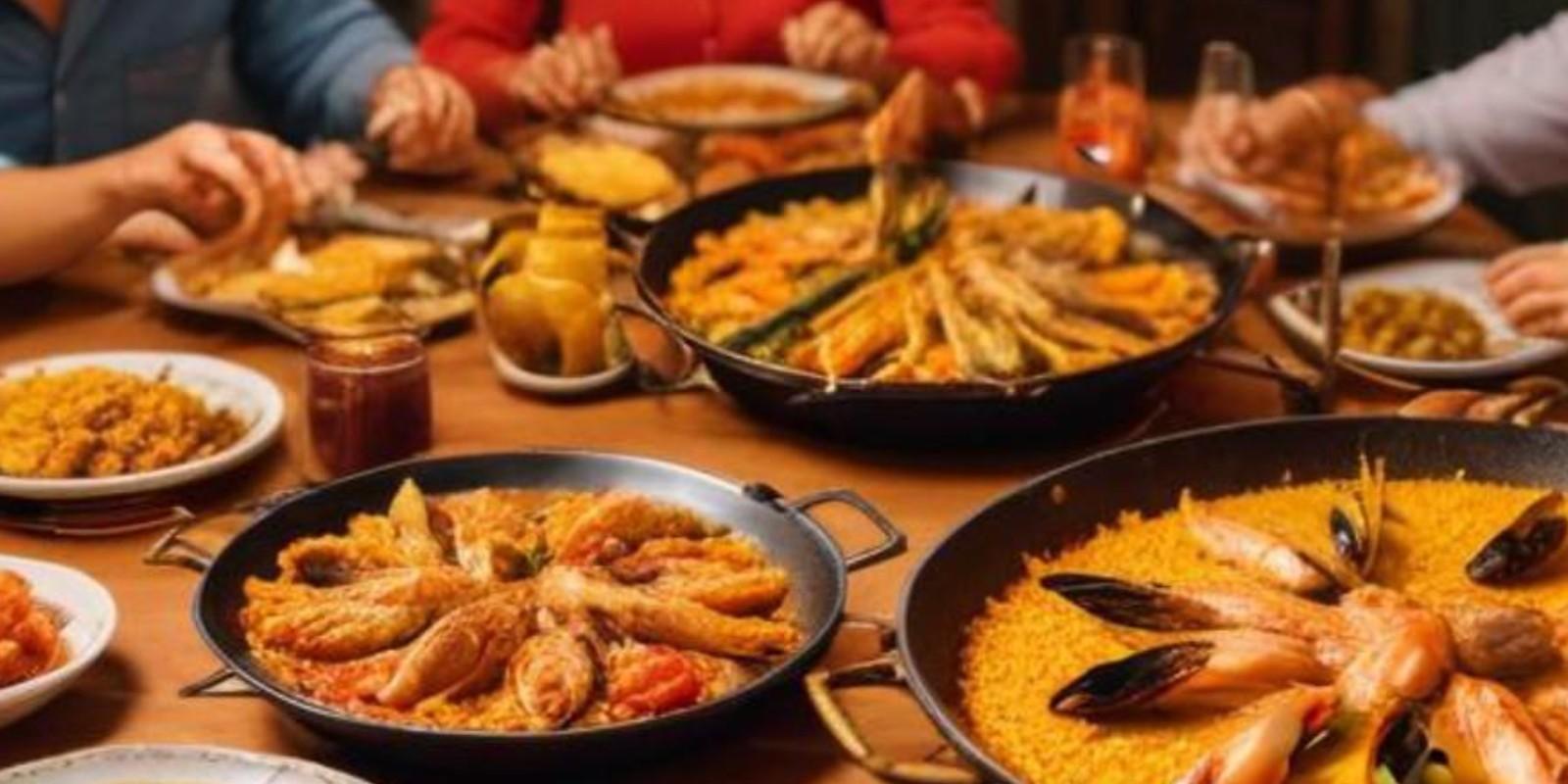
Food plays a central role in Spanish culture, and mealtimes are often seen as opportunities for connection and conversation. Lunch is typically the largest meal of the day, served between 1:30 PM and 3:30 PM, followed by a lighter dinner around 9 PM or later. If you're invited to someone's home for dinner, it's customary to bring a small gift, such as wine or dessert. During meals, conversations flow freely, and it's common for people to engage in lively discussions. Don't hesitate to share your thoughts or ask questions—Spaniards appreciate open dialogue. Also, remember that finishing everything on your plate might imply that you were still hungry; leaving a small amount of food can signal satisfaction.
Spain is renowned for its vibrant festivals that celebrate regional traditions and local customs. Each region has its unique festivities, such as La Tomatina in Buñol or the Running of the Bulls in Pamplona. Participating in these events can be an excellent way to immerse yourself in Spanish culture while meeting locals who share their pride in their heritage. Moreover, religious holidays like Semana Santa (Holy Week) are celebrated with great fervor across the country. These events offer insight into the deep-rooted traditions that shape Spanish identity and provide opportunities for community bonding.
Family is at the heart of Spanish society. The concept of family extends beyond just immediate relatives; it includes close friends who are often treated like family members. As you settle into your new life in Spain, you'll find that family gatherings are frequent and cherished occasions where everyone comes together to celebrate milestones or simply enjoy each other's company. Understanding this emphasis on family can help you build strong connections within your community. Engaging with your neighbors during family-oriented events can foster friendships that last a lifetime.
Spaniards value community engagement and participation in local activities. Whether it's volunteering for neighborhood projects or joining clubs centered around shared interests—such as sports or arts—getting involved can significantly enhance your sense of belonging. Many towns hold regular markets where locals gather not just to shop but also to socialize. As you move into your new home, consider exploring local organizations or clubs that pique your interest. This proactive approach will not only help you make friends but also deepen your understanding of local customs.
Understanding Spanish cultural and social customs is crucial for anyone considering relocating to Spain. By embracing these traditions—from greeting styles to mealtime etiquette—you'll find it easier to connect with locals and feel at home in your new environment. Remember that building relationships takes time; be patient with yourself as you navigate this exciting journey. As you prepare for this life-changing move, keep an open mind and heart towards the experiences ahead. Your willingness to learn about Spanish culture will enrich your life immeasurably. If you're ready to take the next step towards making Spain your home, reach out to NANCY NASR today! With her expertise in navigating the real estate market and understanding local customs, she can guide you through every step of your relocation process.
Spanish dining customs emphasize shared meals and conversation. Lunch is typically served between 1:30 PM and 3:30 PM, while dinner starts around 9 PM or later.
A handshake is standard for first meetings; however, once acquainted, two kisses on the cheeks (starting from the right) are common among friends.
Family plays a central role in Spanish society. Relationships extend beyond immediate relatives to include close friends who are often treated like family members.
Participating in local festivals such as La Tomatina or Semana Santa can provide deep insights into Spanish culture while allowing you to engage with the community.
Consider joining local clubs or volunteer organizations related to your interests; this will help you meet people and integrate into your new environment more easily. By understanding these essential aspects of Spanish culture, you'll pave the way for a fulfilling relocation experience that allows you to thrive both personally and socially in your new home!
I am a real estate professional at eXp Realty Spain, specializing in the acquisition and sale of residential and commercial properties both within Spain and internationally. With over four years of industry experience, I am fluent in English, Hebrew, Spanish, and Arabic. This multicultural background allows me to serve a diverse clientele and identify prime investment opportunities in other key markets where eXp Realty operates, such as Dubai, Miami, etc. I am committed to delivering a personalized, professional service, guiding buyers and investors through every step of the process to achieve successful transactions and outstanding results.
Soy una profesional inmobiliaria en eXp Realty España, especializada en la adquisición y venta de propiedades residenciales y comerciales tanto en España como a nivel internacional. Con más de cuatro años de experiencia en el sector, hablo con fluidez inglés, hebreo, español y árabe. Esta formación multicultural me permite atender a una clientela diversa e identificar oportunidades clave de inversión en otros mercados estratégicos donde opera eXp Realty, como Dubái, Miami, entre otros. Estoy comprometida con ofrecer un servicio personalizado y profesional, guiando a compradores e inversores en cada etapa del proceso para lograr transacciones exitosas y resultados excepcionales.
What Homebuyers Really Want in 2025: Key Trends in the Spanish Market
In 2025, homebuyers in Spain will be looking for sustainability, smart technology, and inclusive communities. Proximity to urban amenities and flexible design will also be key, reflecting a shift toward a more conscious and connected lifestyle.
Guía completa para comprar vivienda en España
Comprar una vivienda en España implica varios pasos clave, desde definir necesidades y presupuesto, hasta entender opciones de financiación y aspectos legales. Prepararte adecuadamente y contar con asesoramiento puede facilitar el proceso y evitar sorpresas.
Proceso de Compra de Propiedades para Inversores Internacionales
Invertir en propiedades en España ofrece oportunidades rentables para extranjeros. Con un proceso que incluye búsqueda, oferta y regulación legal, es crucial contar con asesoría profesional. Los inversores deben estar atentos a impuestos, financiamiento y barreras culturales.