The Future of Hybrid Work and Office Spaces

NANCY NASR
Última actualización: 2025-08-01
NANCY NASR
Última actualización: 2025-08-01
The future of office spaces is evolving rapidly, driven by the rise of hybrid work models and the need for commercial real estate (CRE) to adapt. As businesses embrace flexible working arrangements, understanding how to navigate this new landscape is essential for both employees and employers. This article explores the changing dynamics of office spaces, the impact of hybrid work on CRE, and practical strategies for adapting to these trends.
As we step into a new era of work, the traditional office setup is being challenged like never before. The pandemic accelerated trends that were already in motion, forcing companies to rethink their real estate strategies. The shift towards hybrid work—where employees split their time between remote and in-office settings—has become a defining characteristic of modern employment. This transformation not only affects how businesses operate but also has profound implications for commercial real estate. Understanding these changes is crucial for creating environments that foster productivity, collaboration, and employee well-being.
Hybrid work has emerged as a preferred model for many organizations. Employees enjoy the flexibility it offers, allowing them to balance personal and professional responsibilities more effectively. According to a survey by <a href="https://www.gartner.com/en/newsroom/press-releases/2021-04-28-gartner-says-three-in-five-employees-would-prefer-to-work-remotely">Gartner</a>, about 60% of employees would prefer a hybrid work arrangement even after the pandemic subsides. This preference highlights a significant shift in workplace culture, where autonomy and flexibility are paramount.
The advantages of hybrid work extend beyond employee satisfaction. Companies can benefit from reduced overhead costs associated with maintaining large office spaces. Here are some key benefits:
However, transitioning to a hybrid model requires careful planning and consideration to ensure that both remote and in-office employees feel equally valued and connected.
The rise of hybrid work is reshaping the commercial real estate landscape. Traditional office spaces are being re-evaluated as businesses seek to optimize their physical footprints. The demand for flexible office solutions, such as co-working spaces and shared offices, is increasing as companies look for ways to accommodate fluctuating workforce needs.
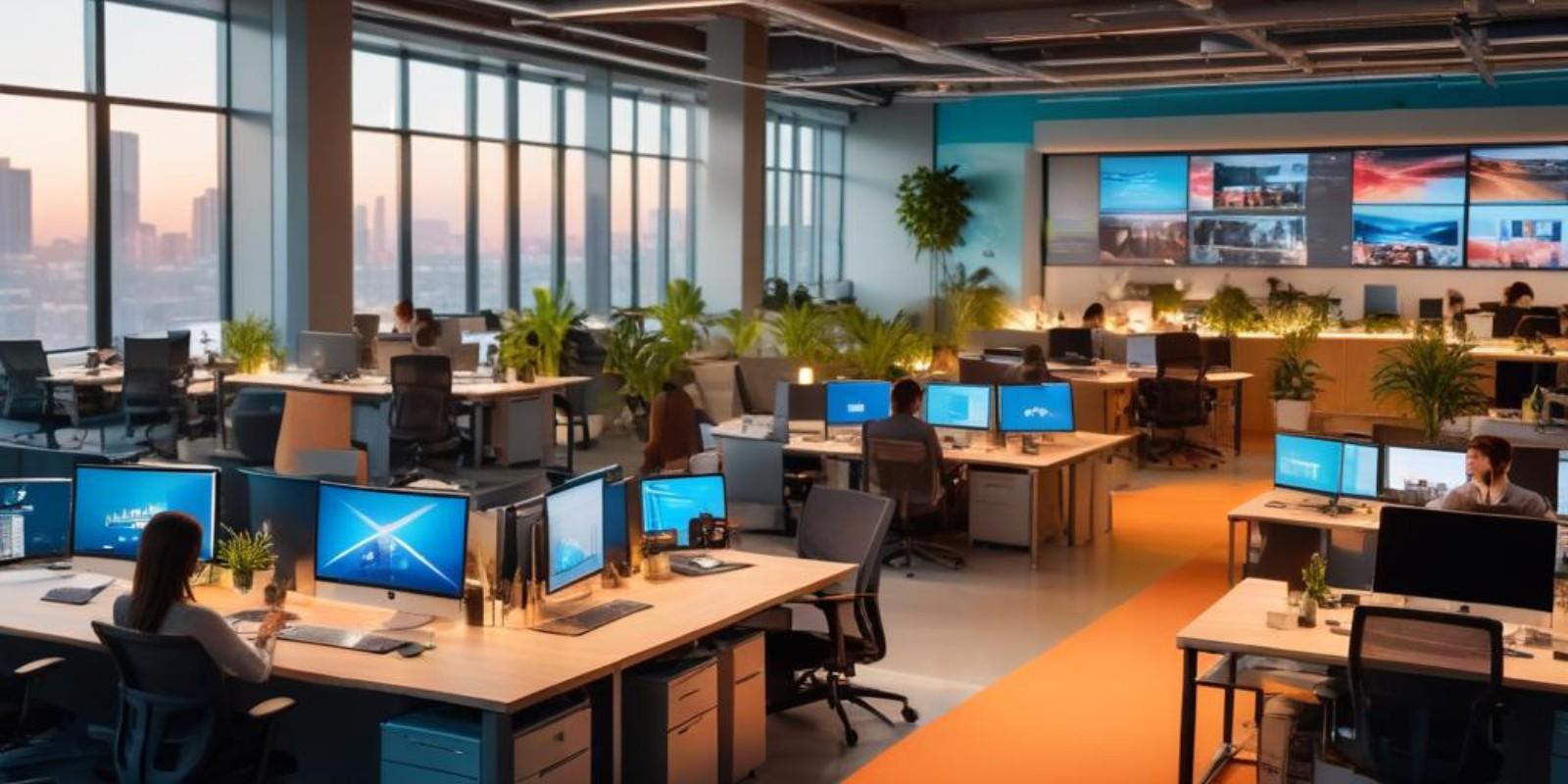
As organizations adapt to hybrid work models, the design of office spaces is evolving. Instead of cubicles and closed-off offices, there is a growing emphasis on open layouts that promote collaboration and communication. Key design elements include:
This shift not only enhances the employee experience but also aligns with the values of modern workers who prioritize collaboration and community.
Technology plays a pivotal role in facilitating hybrid work. Tools such as video conferencing software, project management applications, and digital communication platforms help bridge the gap between remote and in-office employees. The integration of smart building technology can further enhance the workplace experience by optimizing energy use and improving air quality. According to <a href="https://www.mckinsey.com/business-functions/organization/our-insights/the-future-of-work-after-covid-19">McKinsey</a>, organizations that invest in technology will be better positioned to thrive in this new environment, as they can create seamless experiences for their teams regardless of location.
To successfully navigate the transition to hybrid work, companies must adopt strategic approaches that align with their unique needs and culture. Here are several effective strategies:
Conducting a thorough assessment of your current office space can provide valuable insights into what changes are necessary. Consider factors such as employee headcount, collaboration requirements, and future growth projections. This evaluation will help you determine whether you need to downsize or redesign your workspace.
Creating an inclusive culture is essential in a hybrid work environment. Ensure that all employees have access to resources and opportunities regardless of their location. Regular check-ins, team-building activities, and open communication channels can help foster connections among team members.
Flexibility should be at the core of your hybrid work strategy. Allow employees to choose when and where they work based on their preferences and job responsibilities. This approach not only boosts morale but also empowers individuals to take ownership of their work-life balance.
Supporting employee well-being is crucial in maintaining productivity and engagement. Offer resources such as mental health support, wellness programs, and ergonomic assessments for home office setups. By prioritizing well-being, companies can cultivate a healthier workforce that thrives in both remote and in-person settings.
The future of office spaces is undeniably intertwined with the rise of hybrid work models. As commercial real estate adapts to these changes, organizations must remain agile and responsive to ensure they meet the evolving needs of their employees. By embracing flexibility, fostering inclusivity, investing in technology, and prioritizing well-being, companies can create thriving workplaces that inspire innovation and collaboration. As we move forward into this exciting new era, it's essential to remember that change brings opportunity. Whether you're an employer seeking to redefine your workspace or an employee navigating this transition, there’s a bright future ahead filled with possibilities. If you're looking for expert guidance on navigating these changes in commercial real estate or need assistance finding the perfect office space tailored to your needs, reach out to NANCY NASR today! Let’s explore how we can transform your workspace together.
Hybrid work refers to a flexible working model where employees split their time between working remotely and working in an office setting.
Many studies suggest that hybrid work can enhance productivity by reducing distractions commonly found in traditional office environments while still providing opportunities for collaboration when needed.
Challenges may include communication barriers between remote and in-office employees, feelings of isolation among remote workers, and difficulties in managing team dynamics effectively.
Companies should assess their current space needs based on employee feedback, consider incorporating flexible designs that promote collaboration, and invest in technology that supports both remote and in-person interactions.
Prioritizing employee well-being fosters engagement, reduces burnout rates, enhances job satisfaction, and ultimately leads to improved organizational performance.
I am a real estate professional at eXp Realty Spain, specializing in the acquisition and sale of residential and commercial properties both within Spain and internationally. With over four years of industry experience, I am fluent in English, Hebrew, Spanish, and Arabic. This multicultural background allows me to serve a diverse clientele and identify prime investment opportunities in other key markets where eXp Realty operates, such as Dubai, Miami, etc. I am committed to delivering a personalized, professional service, guiding buyers and investors through every step of the process to achieve successful transactions and outstanding results.
Soy una profesional inmobiliaria en eXp Realty España, especializada en la adquisición y venta de propiedades residenciales y comerciales tanto en España como a nivel internacional. Con más de cuatro años de experiencia en el sector, hablo con fluidez inglés, hebreo, español y árabe. Esta formación multicultural me permite atender a una clientela diversa e identificar oportunidades clave de inversión en otros mercados estratégicos donde opera eXp Realty, como Dubái, Miami, entre otros. Estoy comprometida con ofrecer un servicio personalizado y profesional, guiando a compradores e inversores en cada etapa del proceso para lograr transacciones exitosas y resultados excepcionales.
Navigating Opportunities in a High-Interest Rate Market
Investing in a high-interest rate market can be challenging yet rewarding. By understanding the implications on various asset classes and employing strategies like diversification and focusing on quality investments, you can seize opportunities and navigate risks effectively.
Investing in Spanish Real Estate for Foreigners
Investing in Spanish real estate offers foreigners a blend of opportunity and lifestyle. By understanding the market, navigating the buying process, and avoiding common pitfalls, buyers can achieve successful investments while enjoying the charm of Spain.
Top Cities in Spain for Luxury Property Investment
Spain's luxury property market is a prime destination for English, Belgian, German, and French buyers. Key cities like Barcelona, Madrid, Marbella, Valencia, Malaga, and Bilbao offer stunning properties, vibrant cultures, and excellent investment potential amid a favorable climate.